
Yes, windshield repairs can succeed in cold weather when experienced technicians use proper equipment and techniques. Even in freezing temperatures, small chips and cracks can often be repaired safely. However, severe damage may require windshield replacement in cold weather to restore vehicle safety and visibility.
This article covers how freezing temperatures affect windshield damage, the professional repair process, and when replacement becomes necessary. It also offers practical tips to protect your windshield throughout winter.
Windshield Repair During Freezing Temperatures
The success of winter windshield repairs depends on the damage’s size, depth, location, and glass condition. Small chips and cracks are generally easier to repair, while trapped moisture, extreme cold, and improper resin curing can affect results. A professional assessment determines whether repairs can be performed safely.
Windshield repair involves injecting a specialized resin into chips or small cracks to stabilize the damaged area. This resin must flow into the fracture and cure properly to produce a durable repair.
Low temperatures can make this process more challenging in several ways:
- Resin Viscosity: Cold temperatures can thicken repair resin, making it harder to penetrate small cracks.
- Moisture Accumulation: Snow, ice, or condensation inside damaged glass can interfere with resin adhesion.
- Temperature Sensitivity: Rapidly heating frozen glass can create additional stress and cause existing cracks to spread.
- Curing Conditions: Repair materials must be applied and cured within the manufacturer’s recommended temperature range.
Professional auto glass technicians understand these challenges and use controlled heating, moisture removal, and specialized repair equipment to achieve reliable results.
How Cold Weather Affects Windshield Damage and Repairs

Winter conditions can influence both the severity of existing windshield damage and the effectiveness of repairs. Understanding these effects can help drivers recognize why prompt professional service matters.
Thermal Expansion and Contraction
Automotive glass expands when it heats up and contracts when it cools. Sudden temperature changes can create uneven stress across the windshield, particularly around existing chips and cracks.
For example, directing intense heat from a defroster onto an extremely cold windshield may cause damaged areas to expand at different rates. This additional stress can cause minor fractures to spread.
Moisture Entering Chips and Cracks
Small chips and cracks can collect moisture from rain, snow, and condensation. When temperatures fall below freezing, trapped water expands as it turns into ice, potentially worsening existing damage.
Moisture also presents challenges during repair. Resin cannot properly fill a damaged area if water or contaminants remain inside the fracture. Technicians must thoroughly prepare the glass before beginning the repair process.
Reduced Resin Flow in Cold Temperatures
Windshield repair resin becomes more viscous at lower temperatures. As a result, it may not flow easily into narrow fractures or small impact points.
Technicians address this issue by bringing the glass and repair materials within the appropriate working temperature range. Proper preparation allows the resin to penetrate the damage more effectively and cure according to manufacturer specifications.
Uneven Heating From Defrosters
Using a vehicle’s defroster is essential for maintaining visibility during winter. However, applying maximum heat immediately to a frozen, damaged windshield can increase thermal stress.
Gradually warming the glass helps reduce sudden temperature differences. Drivers should also avoid pouring hot water over icy windshields, as the abrupt temperature change can worsen existing cracks.
How Professionals Repair Windshields During Winter
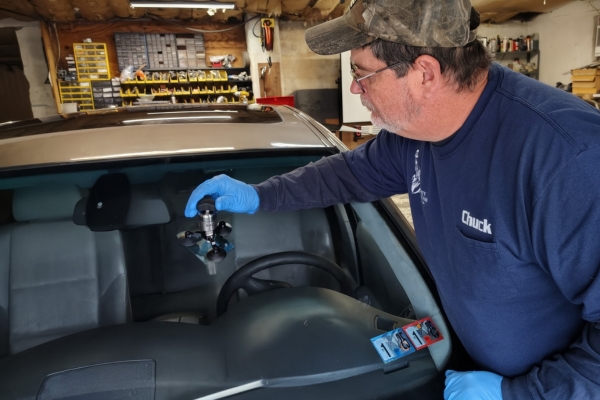
Cold-weather windshield repairs follow many of the same procedures as repairs performed during warmer months. However, technicians take additional steps to control temperature, remove moisture, and ensure proper resin application.
1. Inspecting the Windshield Damage
Technicians assess the chip or crack’s size, depth, location, and severity to determine whether repair or replacement is necessary. Small chips and short cracks are often repairable, while extensive damage, impaired visibility, or fractures involving multiple glass layers may require replacement.
2. Warming the Glass Gradually
Before applying resin, technicians gradually warm the windshield to the recommended temperature range. Controlled heating improves resin flow and minimizes thermal stress, preventing existing cracks from spreading.
3. Removing Moisture and Contaminants
Snow, rain, and dirt can collect inside damaged glass. Technicians thoroughly dry and clean the affected area to ensure proper resin penetration and a durable bond.
4. Applying and Curing the Repair Resin
Specialized resin is injected into the chip or crack and cured using ultraviolet light according to manufacturer specifications. This stabilizes the damaged area and helps prevent further cracking.
5. Inspecting the Completed Repair
After curing, technicians remove excess resin, finish the surface, and inspect the results. Minor marks may remain, but a successful repair stabilizes the damage and improves the windshield’s appearance.
When Is Windshield Replacement Necessary Instead of Repair?
While many windshield chips and minor cracks can be repaired in winter, severe damage may require a full replacement. Long cracks, branching fractures, and damage extending into multiple glass layers can weaken the windshield’s structural integrity.
Location also matters. Cracks near the edges or within the driver’s critical viewing area may compromise safety and visibility. Damage near cameras or sensors used by advanced driver assistance systems requires special attention.
If replacement is necessary, camera recalibration may also be required to ensure these features work correctly. A professional technician can evaluate the damage and recommend the safest solution.
How to Protect Your Windshield From Further Damage in Winter
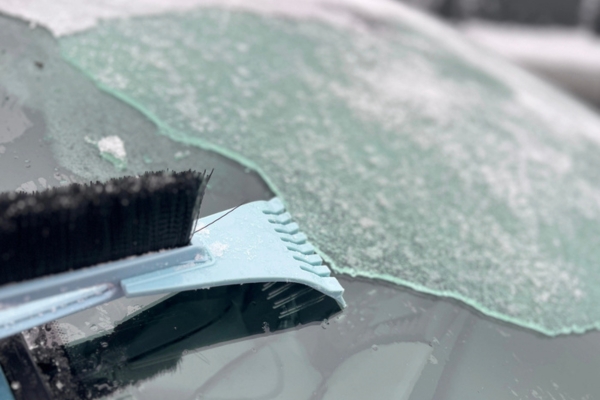
Freezing temperatures, moisture, and sudden temperature changes can worsen existing windshield damage. Follow these preventive measures to minimize the risk of small chips developing into larger cracks:
- Repair Chips and Cracks Promptly: Even minor damage can spread due to freezing temperatures, road vibrations, and moisture. Schedule professional repairs early to prevent further deterioration.
- Avoid Sudden Temperature Changes: Warm your windshield gradually instead of directing maximum heat onto frozen glass. Never use hot water to remove ice, as thermal shock can worsen cracks.
- Use Proper Ice Removal Tools: Choose plastic ice scrapers and approved deicing products. Avoid metal scrapers or sharp objects that could scratch or damage the glass.
- Keep Moisture Away From Damage: Prevent water, snow, and cleaning solutions from entering chips or cracks. Avoid pressing on damaged areas and seek professional advice on temporary protection.
- Park in Sheltered Areas: Use a garage or covered parking space to limit exposure to snow, ice, and temperature fluctuations. A windshield cover can also reduce ice buildup and scraping.
FAQs: Windshield Replacement in Cold Weather

How Long Does a Windshield Chip Repair Take in Winter?
Most windshield chip repairs take approximately 30 to 60 minutes. Cold weather may require additional preparation to warm the glass and remove moisture. The exact duration depends on the damage’s size, location, and condition.
Is Mobile Windshield Repair Available During Winter?
Yes. Many auto glass companies provide mobile repairs during winter, weather permitting. Heavy snow, freezing precipitation, or extreme cold may require repairs to be performed indoors to ensure proper working conditions.
Can I Drive Immediately After a Winter Windshield Repair?
Yes. Most vehicles can be driven immediately after a properly completed windshield chip repair. The resin cures before the vehicle is released, but drivers should follow any specific instructions from their technician.
Can I Wash My Car After a Windshield Repair in Winter?
Yes. Once the repair resin has fully cured, washing your vehicle is generally safe. However, avoid using hot water on freezing glass or directing high-pressure water at the repaired area. Follow your technician’s recommendations to protect the repair and prevent thermal stress.
Can a Previously Repaired Windshield Chip Crack Again in Freezing Weather?
Yes. Although professional repairs help stabilize damaged glass, they cannot eliminate all risks of future cracking. Extreme temperature changes, road vibrations, or additional impacts may cause new fractures, especially around previously damaged areas.
Conclusion
Windshield repairs can succeed in cold weather when technicians properly manage glass temperature, moisture, and resin curing. Although freezing conditions create additional challenges, professional repair techniques can stabilize many chips and minor cracks before they spread. Prompt attention and proper winter windshield care can help drivers avoid more extensive damage and costly replacements.
If your windshield has developed a chip or crack, contact Liberty AutoGlass for professional assessment and dependable auto glass service. Our experienced technicians can determine whether repair or replacement is the appropriate solution to keep your vehicle safe throughout winter.
Contact Liberty AutoGlass for Professional Windshield Repair and Replacement in Northeastern Pennsylvania

Liberty AutoGlass provides professional windshield repair and replacement services for drivers throughout Northeastern Pennsylvania and surrounding communities. Whether you’re dealing with a small chip, a spreading crack, or extensive windshield damage, our experienced technicians can evaluate the problem and recommend the appropriate solution.
We understand how winter weather can worsen existing auto glass damage. Our team is dedicated to providing trusted service, quality workmanship, and solutions that help restore your vehicle’s safety and visibility.
Don’t let minor windshield damage become a bigger problem. Contact Liberty AutoGlass today to schedule your windshield repair or replacement and keep your vehicle ready for the road in every season. Contact us today or call us at (610) 377-7787 or (877) 90-GLASS to schedule an appointment. Click here to view our complete mobile auto glass service area in Pennsylvania.

Related Articles:
Category Windshields