
A properly installed windshield can provide years of clear visibility, structural support, and protection when cared for correctly. The first hours and days after replacement are especially important because the adhesive needs time to cure and create a secure bond. Long-term habits, such as careful parking, proper wiper maintenance, and prompt attention to new damage, can also help extend the windshield’s lifespan.
This article covers seven practical windshield replacement tips to protect your new auto glass, prevent avoidable damage, and keep it in good condition for as long as possible.
Why Proper Windshield Replacement Aftercare Matters
Your windshield supports clear visibility and contributes to the vehicle’s structural integrity. Proper post-replacement care helps protect the glass, adhesive, seals, and surrounding components.
Freshly installed glass requires extra care while the adhesive cures. Following your technician’s instructions during this period helps prevent movement or contamination that could interfere with the bond. Afterward, good driving and maintenance habits can reduce the risk of chips, cracks, scratches, and other damage.
7 Ways to Protect Your New Windshield in Northeastern Pennsylvania
How you care for your windshield immediately after replacement and during everyday driving can affect its longevity. These seven practices can help protect your new auto glass.
1. Follow Windshield Replacement Aftercare Instructions
The adhesive securing a new windshield needs time to cure. Your technician should provide a safe drive-away time and other instructions based on the products used and installation conditions.
Retention tape may also be placed around the windshield to protect the molding and fresh adhesive. Leave it in place for as long as recommended.
During the initial curing period, avoid rough roads and unnecessary vibration when possible. Close doors gently since forceful closing can create pressure inside the cabin that may affect a newly installed windshield.
2. Park in a Protected Location
Where you park can expose your windshield to falling branches, hail, construction debris, and other hazards. Whenever possible, park in a garage, carport, or other covered location.
Avoid parking beneath unstable tree branches or in areas where objects are likely to fall. Protected parking can also reduce prolonged exposure to intense sunlight, ice, snow, and other environmental conditions.
3. Avoid Sudden Temperature Changes
Windshield glass expands and contracts as temperatures change. Rapid or uneven temperature shifts can put extra stress on the glass, especially when a chip or other weak point is already present.
Avoid directing extremely cold air onto a windshield heated by intense sunlight. During winter, warm frozen glass gradually rather than immediately using maximum defroster heat. Never pour hot water onto an icy windshield, as the sudden temperature change can increase the risk of cracking.
4. Maintain a Safe Following Distance
Vehicles ahead can kick up gravel, stones, and other road debris that may chip your windshield. The risk can increase around trucks, construction vehicles, gravel roads, and active work zones.
Maintain adequate space between your vehicle and surrounding traffic, giving larger vehicles additional room when practical. A safe following distance also provides more time to respond to potholes, debris, sudden stops, and changing road conditions.
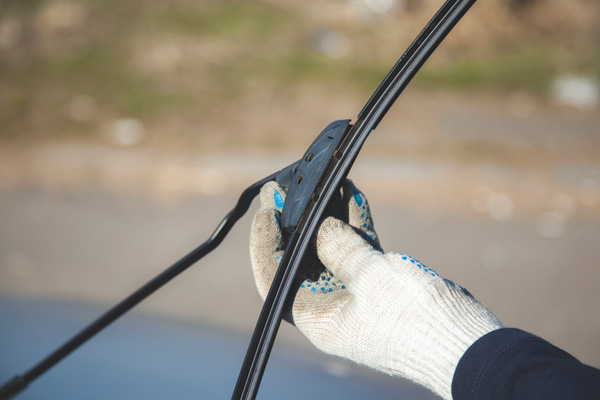
5. Keep Windshield Wipers in Good Condition
Worn or damaged wiper blades may streak, skip, or fail to clear water effectively. Dirt and debris trapped beneath deteriorated blades can also scratch the windshield.
Inspect your wipers regularly for cracking, splitting, stiffness, or uneven contact. Replace worn blades promptly and keep both the windshield and wipers clean to prevent abrasive particles from repeatedly moving across the glass.
6. Adjust Your Driving to Road and Weather Conditions
Heavy rain, snow, fog, darkness, and other low-visibility conditions make road hazards harder to see. Gravel roads, construction zones, and damaged pavement can also increase exposure to flying debris and vibration.
Reduce your speed when conditions deteriorate and increase the distance between vehicles. If visibility or road conditions become unsafe, pull over in a safe location and wait until conditions improve.
7. Address New Chips and Cracks Promptly
Even careful driving cannot prevent every windshield impact. Gravel, falling objects, severe weather, and road debris can still cause damage.
Do not ignore a small chip. Temperature changes, vibration, moisture, and additional impacts can cause minor damage to spread. Have new chips and cracks evaluated promptly so an auto glass technician can determine whether repair or replacement is appropriate.
Signs Your Replacement Windshield Needs Professional Attention
A replacement windshield should remain securely positioned and properly sealed. Have it professionally inspected if you notice:
- Water Leaks: Moisture entering around the windshield may indicate a sealing problem.
- Unusual Wind Noise: New whistling or excessive wind noise can point to a gap around the glass or molding.
- Loose Molding: Check for lifting, shifting, or separated trim around the windshield.
- Visible Gaps: Open areas between the windshield and surrounding components may indicate an installation or sealing issue.
- New Chips or Cracks: Fresh damage should be assessed before it has an opportunity to spread.
Avoid repositioning the windshield or fixing installation issues with household sealants or adhesives. A professional can identify the source and determine the proper solution.
FAQs About Windshield Replacement Tips

When Can I Wash My Car After Windshield Replacement?
Follow the timeframe provided by your auto glass technician. High-pressure water from automatic car washes or pressure washers may place unnecessary stress around a newly installed windshield before the adhesive has fully cured. Ask your installer when normal washing is safe.
Can I Use My Windshield Wipers Immediately After Replacement?
Your installer can provide guidance based on the adhesive and installation conditions. Once normal use is permitted, make sure the blades are clean and in good condition so worn rubber or trapped debris does not scratch the new glass.
How Long Does a Replacement Windshield Typically Last?
A properly installed windshield can last for many years and may remain in place for the life of the vehicle. Its lifespan depends on factors such as road conditions, weather exposure, driving habits, maintenance, and impacts from debris. Promptly repairing minor damage can also help prevent cracks from spreading and requiring another replacement.
Can I Drive in the Rain After Windshield Replacement?
Light rain generally does not damage a properly installed windshield once the vehicle has reached the technician-specified safe drive-away time. The urethane used for windshield installation is designed to withstand normal weather exposure. However, follow your installer’s specific aftercare instructions and avoid high-pressure washing until the adhesive has had sufficient time to cure.
Does Windshield Replacement Affect ADAS Cameras?
It can. Many newer vehicles have forward-facing cameras or sensors mounted near the windshield that support advanced driver assistance systems. Depending on the vehicle and the work performed, calibration may be required after windshield replacement to ensure these systems operate according to manufacturer specifications.
Conclusion
Proper windshield care begins immediately after replacement and continues throughout the life of the glass. Following your technician’s aftercare instructions, protecting the windshield from unnecessary stress and damage, maintaining your wipers, and addressing chips or cracks promptly can help extend its lifespan and preserve clear, safe visibility.
If you notice a chip, crack, leak, unusual wind noise, or another windshield problem, have a professional evaluate it before the issue becomes more extensive.
Contact Liberty AutoGlass for Professional Auto Glass Services in Northeastern Pennsylvania

Liberty AutoGlass offers comprehensive auto glass services for vehicle owners across Northeastern Pennsylvania. Our experienced technicians handle windshield chips, cracked or damaged windshields, and side and rear vehicle glass using quality materials and professional installation techniques.
Mobile auto glass service provides a convenient option for qualifying repairs and replacements at your home, workplace, or another suitable location. Our team can also work with your insurance provider when applicable, helping make the claims and service process easier to manage.
Contact Liberty AutoGlass today to schedule auto glass repair or replacement and restore the visibility, protection, and performance of your vehicle’s glass. Contact us today or call us at (610) 377-7787 or (877) 90-GLASS to schedule an appointment. Click here to view our complete mobile auto glass service area in Pennsylvania.

Related Articles:
Category Windshields